
If you’ve ever felt torn between entertaining your child and getting five minutes to fold laundry, you’re not alone. Parents often feel pressure to fill every moment of their child’s day with engagement, learning, or together time. But here’s the reassuring truth: letting kids play independently isn’t just okay—it’s wonderful for their development.
Independent play, sometimes called solo play, helps children grow in ways that structured or adult-led play can’t. It nurtures creativity, patience, problem-solving, and self-confidence, which are all skills that benefit them far beyond the playroom.
Why Independent Play Matters for Growth
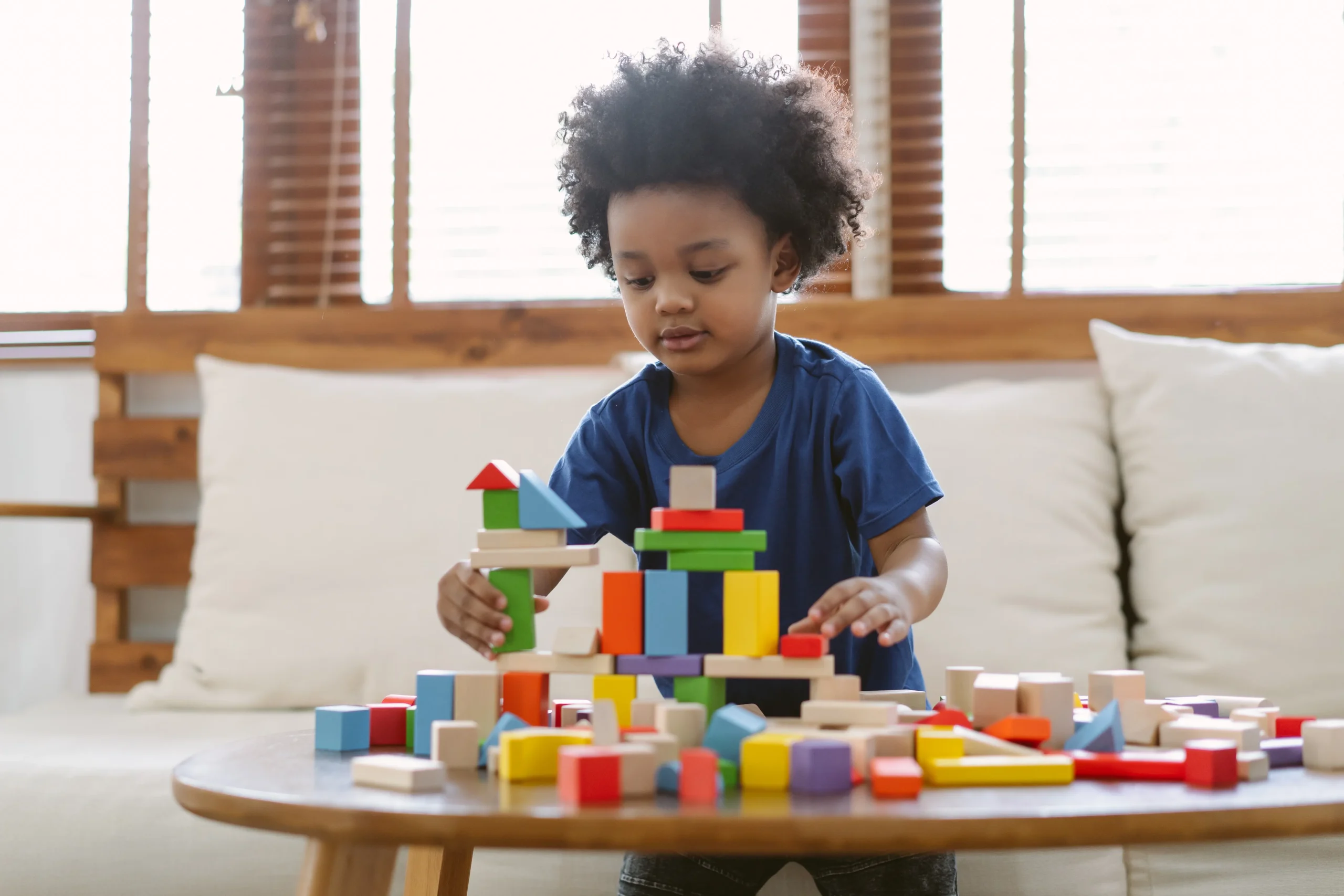
When children play on their own, they’re doing much more than keeping busy. Independent play strengthens focus, persistence, and creativity. It’s during these quiet stretches—building block towers, dressing dolls, lining up toy cars—that kids practice decision-making and learn to enjoy their own company.
It Builds Focus
Young children naturally have short attention spans, but giving them time to play without constant direction helps expand their ability to concentrate. When they choose what to play and how, they stay engaged longer and develop the stamina for deeper learning later on.
It Boosts Confidence
Every small success, likestacking one more block or solving how to fit puzzle pieces together, gives a sense of accomplishment. Over time, children start trusting their own ideas and abilities, which strengthens emotional resilience.
It Sparks Creativity
Without an adult showing “the right way,” kids experiment freely. A cardboard box might become a rocket ship or a café counter. These open-ended, imaginative moments are where early innovation begins.
Setting Up a Safe Play Environment
Creating space for independent play doesn’t mean filling your home with expensive toys. What matters most is that kids feel secure and capable of exploring without constant supervision.
Keep It Simple
A clean, organized space with a few accessible toys invites focus. Rotate toys every week or two, asless clutter means less overwhelm and more engagement. For toddlers, soft blocks, nesting cups, and shape sorters are perfect. For older kids, art supplies, pretend play props, or building materials do the trick.
Prioritize Safety
Choose a child-safe area where you can still keep an eye out, like a play mat near the kitchen or a cozy nook in the living room. Anchor shelves, cover outlets, and keep small choking hazards out of reach. Knowing the space is safe lets you relax (and lets your child feel secure enough to explore freely).
Offer Open-Ended Materials
Simple items often inspire the richest play. Think scarves, cardboard boxes, plastic animals, or wooden blocks, materials that can become anything. Open-ended toys promote imaginative play and encourage problem-solving without needing adult guidance.
Balancing Structured and Unstructured Time
Kids thrive on routines, but every schedule needs breathing room. Striking a balance between organized activities and unstructured play helps children recharge and develop autonomy.
Keep Some White Space in the Day
Between preschool, sports, and playdates, kids rarely get downtime. Protecting open-ended playtime allows them to process their experiences and practice self-direction.
Don’t Rush to Fill “I’m Bored” Moments
When a child says, “I’m bored,” it’s tempting to suggest activities or turn on a show. Instead, try responding with, “Hmm, I wonder what you’ll come up with.” That gentle nudge helps them learn to generate ideas and entertain themselves, which isa cornerstone of independent play.
Encourage Real-World Exploration
Independent play isn’t limited to toys. Digging in the garden, building a fort with blankets, or doodling in a notebook all count. The goal is hands-on, screen-free engagement that invites imagination and persistence.
Ideas by Age Group
Every stage of child development looks different, and so does independent play. Here are a few age-appropriate ideas to spark creativity and confidence.
Toddlers (1–3 years)
At this age, attention spans are short, but toddlers can enjoy solo play for brief bursts (5–15 minutes).
Try:
- Stacking cups or blocks
- Transferring objects between containers
- Pretend cooking with toy food
- Exploring sensory bins (dry rice, pom-poms, or water-safe toys)
They’ll likely want you nearby for reassurance, but resist the urge to jump in—just comment warmly or smile from the sidelines.
Preschoolers (3–5 years)
Preschoolers can engage for longer stretches and love imaginative play.
Try:
- Dress-up and pretend scenarios (supermarket, doctor, restaurant)
- Building with magnetic tiles or wooden blocks
- Simple art projects—stickers, watercolors, or playdough
- Outdoor exploration with magnifying glasses or nature hunts
You can set the stage by offering materials, then quietly step back while they take the lead.
School-Age Kids (6–10 years)
As kids grow, solo play evolves into self-directed projects. They may still enjoy toys but also love creative building or quiet hobbies.
Try:
- LEGO challenges or model kits
- Journaling, drawing, or comic creation
- Simple science experiments
- Independent reading or listening to audiobooks
- Building forts, obstacle courses, or pretend towns
Older kids benefit from uninterrupted time to lose themselves in a project—something that supports deeper focus and self-motivation.
How to Encourage Independence Without Guilt
Parents often feel uneasy about “not playing enough” with their children. But it’s important to remember that independent play doesn’t replace connection, it complements it.
Stay Nearby, Not Involved
Children feel more confident to explore when they know you’re close. You might fold laundry, cook, or read while they play beside you. Offer gentle encouragement if they glance your way—“I love how you’re building that tower!”—then let them continue.
Create Predictable Rhythms
When kids know they’ll have your full attention at certain times (like bedtime stories or morning cuddles), they’re more secure playing solo during others. Consistency helps them trust that connection isn’t going away, it just looks different throughout the day.
Resist Perfectionism
Some days, independent play goes beautifully. Other days, it doesn’t. That’s okay. Kids develop this skill gradually. Think of it like building a muscle, it grows stronger the more they practice.
And remember, when your child learns to play independently, you’re not stepping back from them, you’re giving them a gift: the ability to explore, imagine, and create with confidence.
Helping Your Child Grow Through Independent Play
Encouraging independent play doesn’t mean stepping away from your child, it means stepping into a new kind of partnership, one that celebrates curiosity and self-confidence. By giving your child space to play, you’re helping them develop the emotional and creative tools they’ll carry through life.
At Central Oregon Pediatric Associates (COPA), our pediatric team understands how play shapes healthy development. If you ever have questions about your child’s milestones, emotional growth, or behavior, we’re here to support you—just as you support your child’s journey toward independence.